

Direct Light and Filtered Light: The Art of Shadows in Japanese Architecture

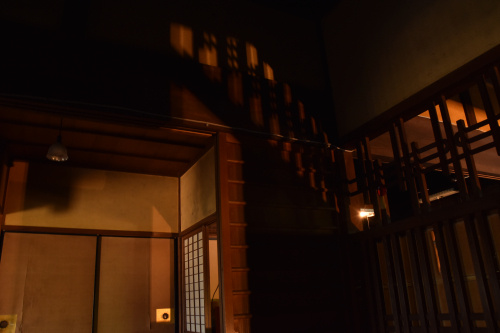
Direct light and filtered light.
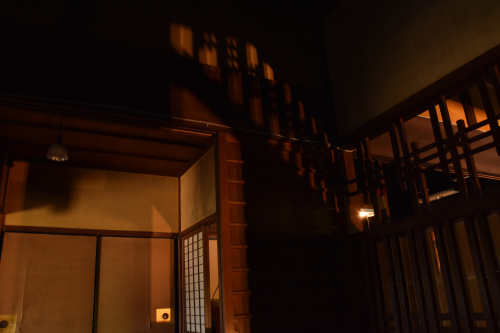
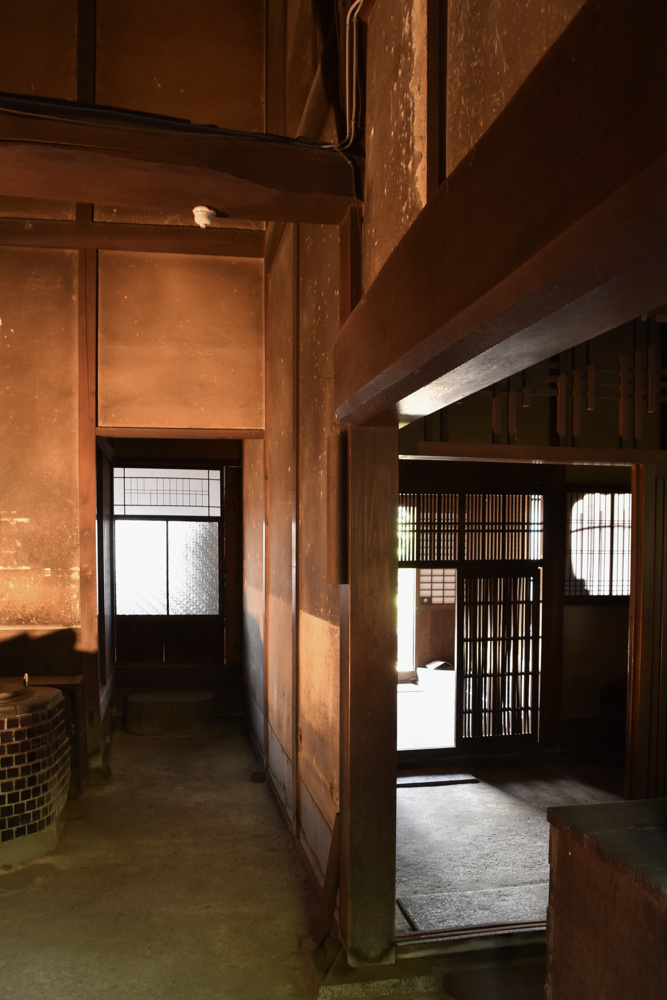
Two lights with completely different qualities.
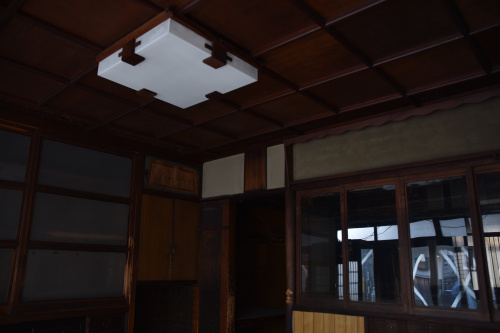
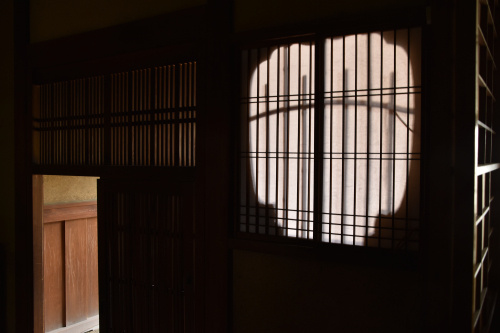
There is the direct light that cuts straight through the koshido (wooden lattice doors), and then there is the filtered light that gently glows behind the shoji (paper screens), elegantly bringing out the silhouette of a hanatomado (flower-shaped window).
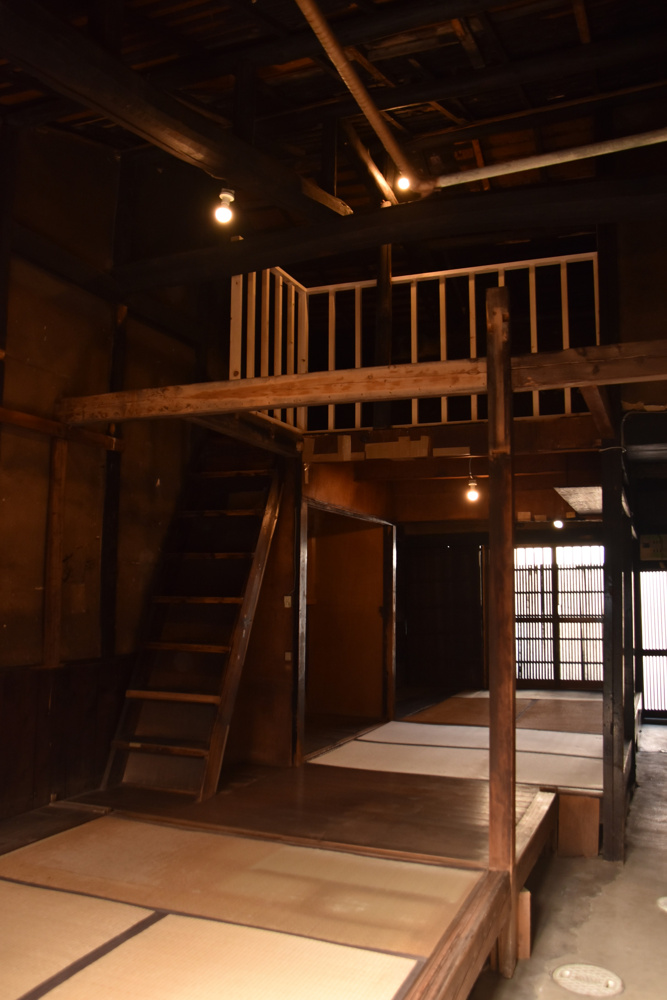
Traditional Japanese architecture is a genius at controlling the intensity of light.
It’s not just about making a room bright; it creates a beautiful gradation of shadows—a space where the mind can truly settle into deep calmness.
Today, I find myself filled with deep appreciation for the aesthetic wisdom of the ancestors that still dwells in these fine details.
As a property manager with a background in design, my mission is not just to maintain buildings, but to preserve these subtle, irreplaceable emotional values of Kyoto’s historic properties.
Balancing this classic aesthetic with modern financial and structural management (CPM® standards) is what we cherish most at Sukima.
差し込む光と、透ける光:日本建築における影の芸術
直線的に差し込む光と、柔らかく透ける光。 性質のまったく異なる、ふたつの光。
格子戸(こしど)をまっすぐに突き抜けてくるシャープな光がある一方で、障子(しょうじ)の奥で優しく灯り、花形窓(はなとまど)の美しいシルエットをエレガントに浮かび上がらせる、仄かな光もあります。
日本の伝統建築は、光の強弱をコントロールする天才です。ただ部屋を明るくするだけでなく、影の美しいグラデーションを生み出し、心が芯から深く落ち着く空間を創り上げています。
細部に今なお息づく先人たちの美意識に、今日も深い愛おしさと感謝の念が込み上げてきます。
デザインのバックグラウンドを持つプロパティマネージャーとして、私の使命は単に建物を維持することではなく、京都の歴史ある物件が持つ、こうした繊細でかけがえのない情緒的価値を守ることにあります。
この伝統的な美意識と、現代的なファイナンス・建物管理(CPM®基準)を両立させることこそが、私たち「すきま」が最も大切にしていることです。